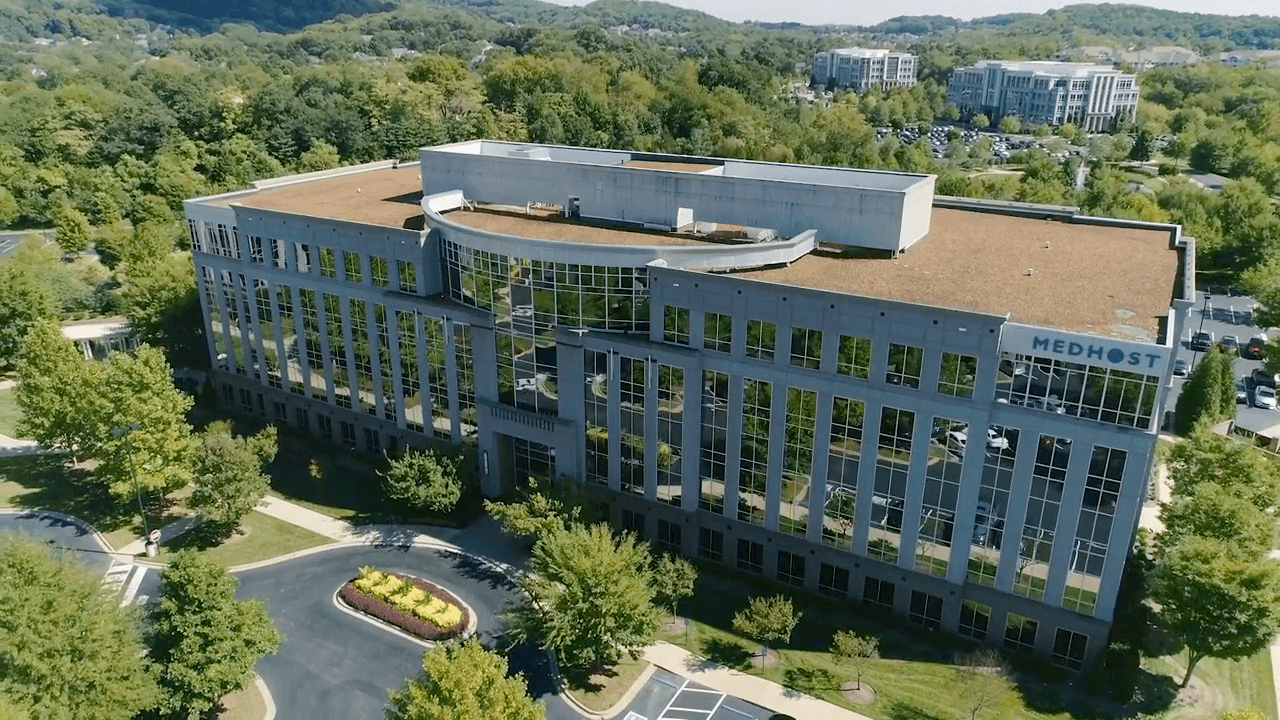
The Challenge
After years on a SolarWinds monitoring platform, the infrastructure team needed deeper visibility across VMware, Azure, Linux, Windows, and network environments. Frequent false positives, rigid configuration, limited service-level visibility, and rising licensing costs made modernization a priority.
Key Challenges
- Limited service-level visibility
- Reactive alerting and false positives
- Rigid legacy configuration
- Escalating renewal costs
- Limited flexibility and innovation
- Interface performance constraints
Infrastructure Leader
The Turning Point
During the proof of concept, Galileo identified previously undetected hardware failures — including failed power supplies on network devices — delivering immediate operational insight and validating the need for modernization.
Lead Engineer
Rethinking Monitoring
Rather than replicating years of legacy configuration, the infrastructure team used the migration as an opportunity to redesign monitoring around system health, service awareness, and actionable visibility.
A Modern Observability Framework

Real-time performance visibility

Service-level awareness

Precise, actionable alerting

Extensibility
for future
growth
Fully Operational in Six Weeks
Replacing a platform monitoring thousands of devices required close collaboration between the customer, Galileo, and ATS teams. Working side-by-side, teams translated requirements, redesigned alerts, prioritized rollout tasks, and completed the migration with minimal operational disruption.
Migration Highlights
- Daily engineering collaboration
- Alert redesign and optimization
- Prioritized implementation approach
- Rapid rollout with minimal disruption
Lead Engineer
More Than a Monitoring Platform
Beyond technology, the organization gained a collaborative partnership focused on continuous improvement and operational alignment.
Galileo engineers work directly with the IT team to explore enhancements, troubleshoot challenges, and continuously evolve monitoring capabilities as infrastructure needs grow.
Lead Engineer
Results with Galileo
Operational Improvements
- Reduced false positives
- Faster incident validation and triage
- Near real-time infrastructure visibility
- Improved service-level awareness
- Simplified monitoring management
Business Impact
- Lower licensing costs
- Eliminated long-term renewal constraints
- Increased flexibility across tools and integrations
- Expanded observability capabilities