
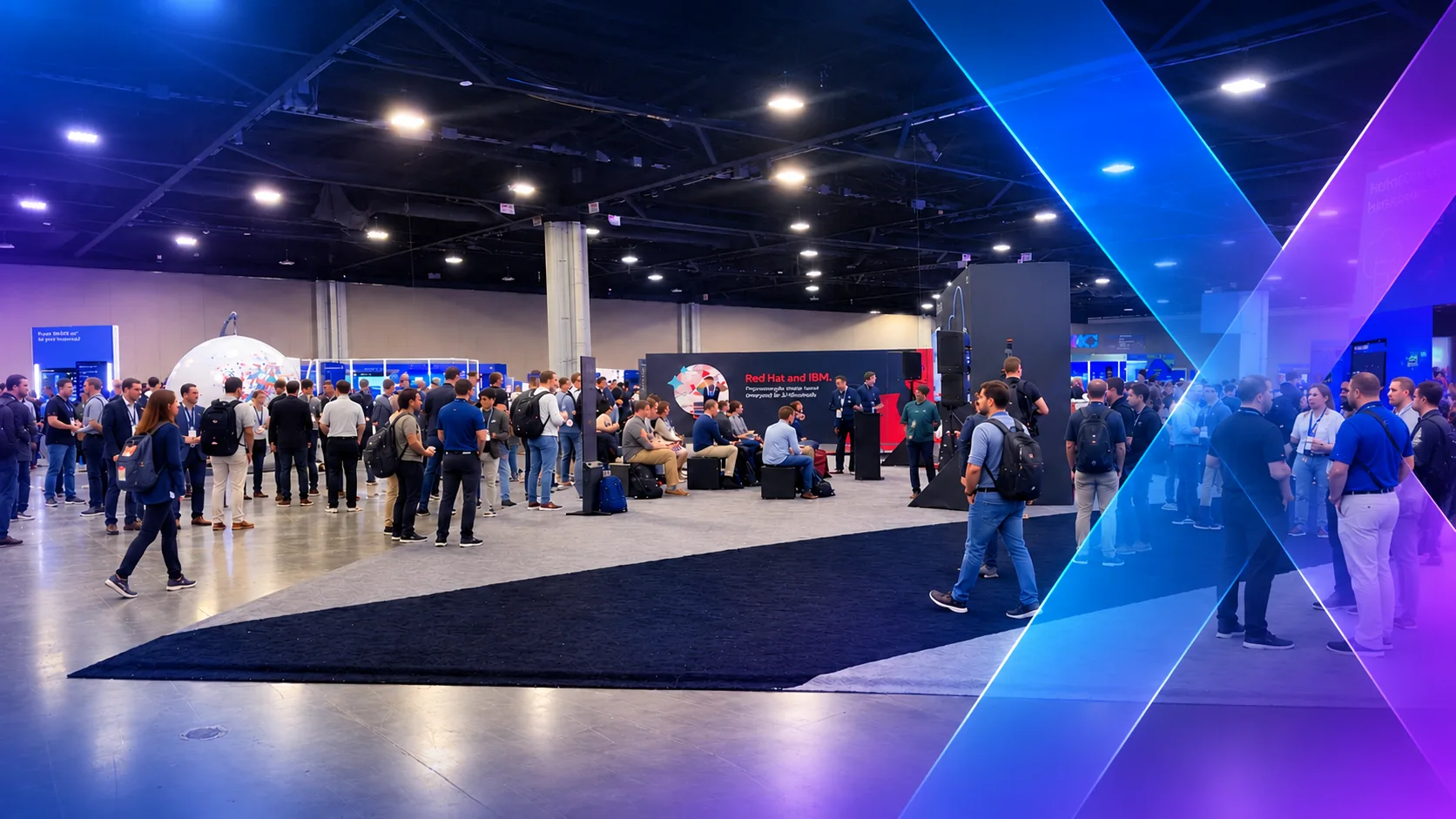
Conversations about IBM i, monitoring complexity, and infrastructure planning inspired a closer look at three practical operational challenges.
IBM TechXchange™ 2026 gave me the opportunity to speak with IT professionals managing everything from IBM® Power® and Storage to complex hybrid environments. At the Galileo booth, conversations with infrastructure teams highlighted several recurring challenges involving system visibility, monitoring complexity, and infrastructure planning.
What We Heard at TechXchange
Three themes stood out as particularly relevant to the challenges IT teams are navigating.
- IBM i visibility remains a priority.
Many attendees were looking for better ways to understand system performance, identify developing problems, and maintain the reliability of business-critical applications. The need for accessible historical data and proactive alerting was particularly relevant. - Organizations are rethinking their observability platforms.
IT teams are evaluating whether platforms like Datadog and Dynatrace provide the infrastructure visibility they need without unnecessary complexity or cost. Tool sprawl compounds the problem, with overlapping tools, disconnected data, and additional management overhead making it harder to get a complete picture of infrastructure health. - Infrastructure decisions require reliable data.
Rising hardware costs and capacity demands are putting more pressure on planning. Teams need historical performance and utilization data to identify underused resources, determine when additional capacity is necessary, and build a stronger business case for infrastructure investments.
Three Technical Perspectives from TechXchange
Following the event, I took a closer look at three practical applications of infrastructure monitoring: troubleshooting IBM i performance, connecting real-time alerts with IBM Maximo, and gaining geographic visibility across distributed IBM Power environments. Each article explores how Galileo can help teams investigate problems, simplify operations, and put infrastructure data to work.
IBM i Troubleshooting:
Finding Problems Before They Affect Operations
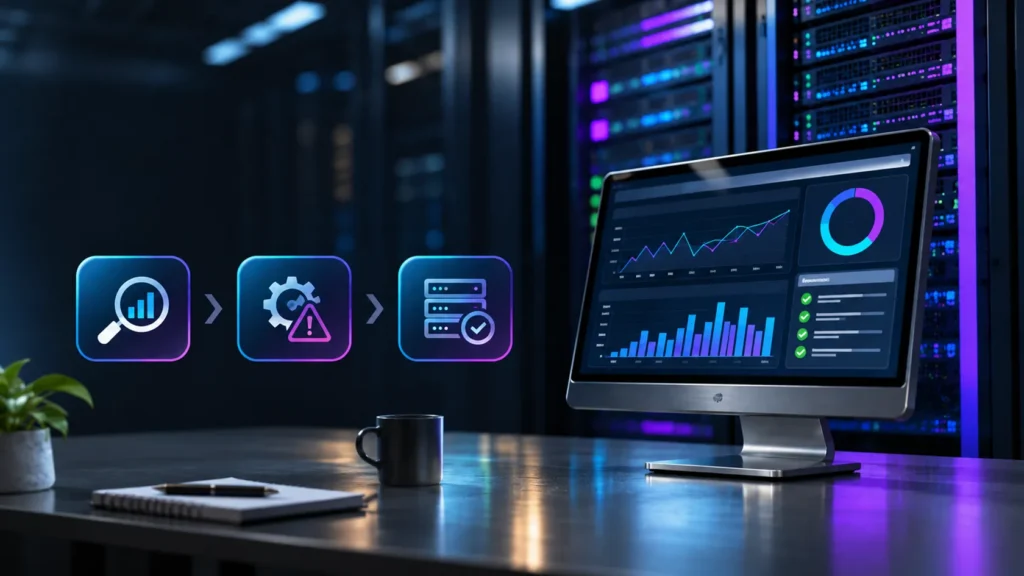
IBM i was one of the most frequently discussed platforms at our booth. I explore how historical performance data, automated analytics, and real-time alerts help administrators identify developing issues and troubleshoot performance problems. I also address the growing IBM i skills gap and the importance of preserving operational knowledge.

From Alert to Work Order:
Connecting Real-Time Monitoring to IBM Maximo
Identifying an infrastructure problem is only the beginning. The information also needs to reach the people responsible for resolving it. I explain how Galileo Active Monitor integrates with IBM Maximo to automatically create service requests, helping teams track and address infrastructure issues through established asset management workflows.
Your Whole IBM Power Estate
on ONE Map
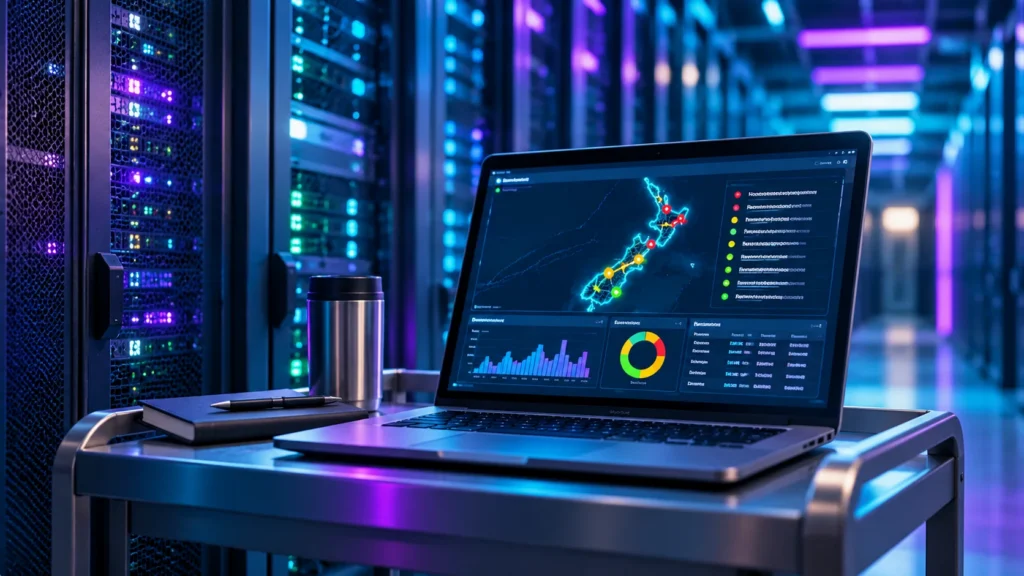
Managing IBM Power environments across multiple locations makes it challenging to see where problems are developing. I demonstrate how geographic dashboards bring distributed AIX and VIOS systems into a consolidated view, combining location, alert severity, and detailed performance information to help teams investigate issues.
From Visibility to Action
The conversations at TechXchange reinforced the importance of having reliable, consolidated infrastructure data available when it's needed, whether teams are troubleshooting an immediate problem, managing multiple monitoring tools, or planning a hardware refresh.
Galileo brings together detailed performance history, automated analytics, real-time alerting, and integrations across IBM and non-IBM infrastructure. This consolidated visibility helps IT teams investigate problems, reduce the effort of working across disconnected tools, and make more informed operational decisions.
Thanks to everyone who stopped by the Galileo booth in Atlanta. I appreciated the conversations and the opportunity to hear what's important to your teams.